












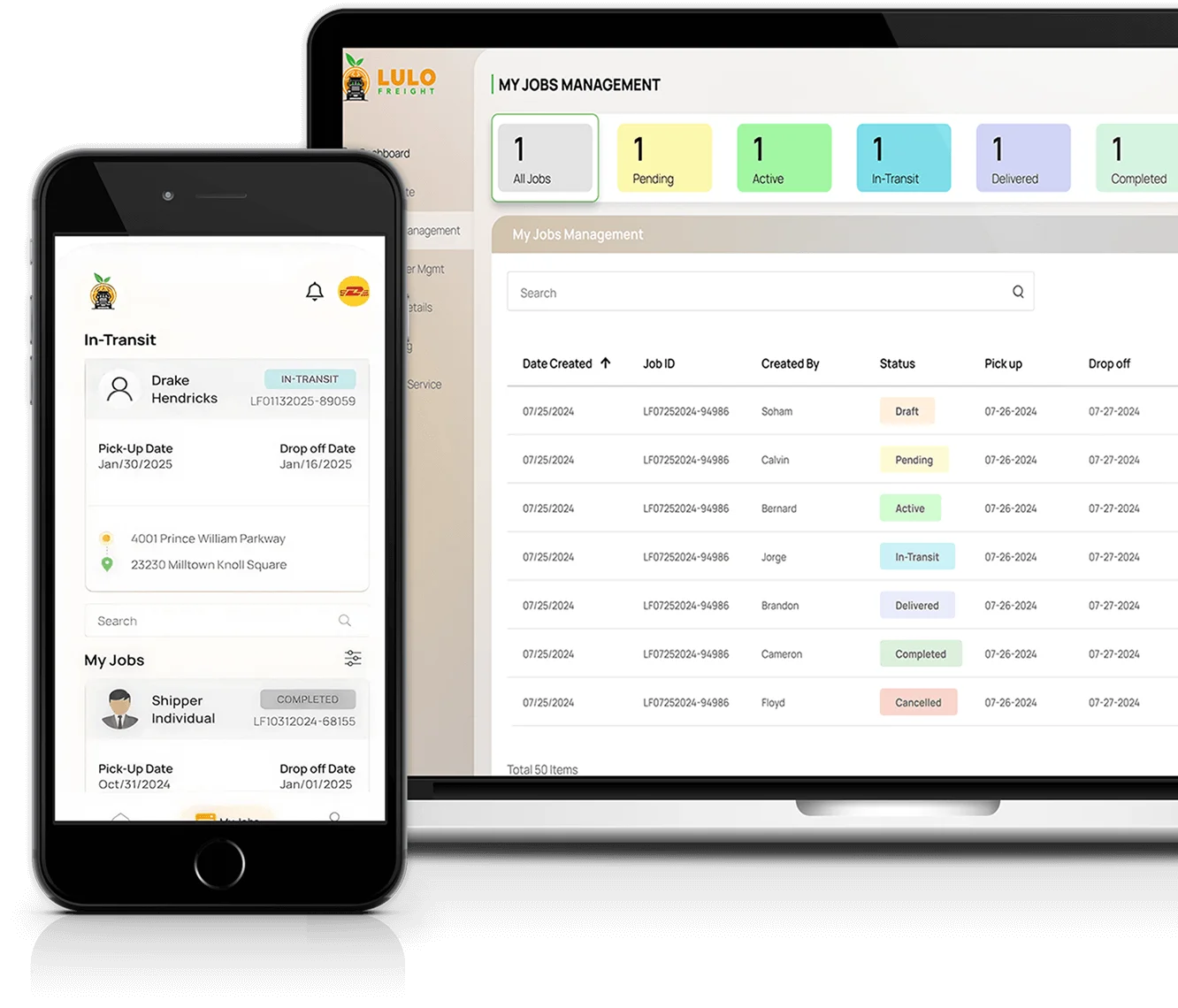
Built a unified digital freight platform that streamlined pricing, tracking, and load matching for logistics operations.


Intelligence built into your products and operations. Consulting, custom models, agents, and copilots designed around how your business actually runs.

The AI-native system behind every project.
Get AI ConsultationAI Services
Generative AI Services
Machine Learning Services
Company
Comprehensive App & Software Development across 20+ industries








A future-focused tech partner building, shipping, and scaling products for some of the world's most demanding companies.
View All Case StudiesAppVerticals builds transportation management systems, warehouse platforms, and fleet software for carriers, 3PLs, and shippers. Our logistics software development services replace spreadsheets and disconnected tools to streamline your supply chain operations.
Featured In


Logistics and enterprise systems shipped
Miles optimized across live deployments
Reduction in delivery time through route optimization
Improvement in on-time delivery rates
You're in Great Company
We help logistics companies replace disconnected processes with systems that streamline operations. By integrating AI, IoT, and cloud, we optimize and improve service delivery. Are you looking for a mobile app or a customer portal instead? See our logistics app development and logistics web development services.
Before anyone writes code, we work out what you actually need built and what it will cost to run.
A TMS is the system most carriers inherit, not choose. We build one that matches how you actually plan and execute freight.
Warehouse software fails when it ignores how the floor actually works. We build for scanners, forklifts, and shift handovers.
Fleet software earns its keep by catching problems before they become downtime.
Most shippers don’t need another system. They need to see what’s already happening across the ones they have.
Right now your TMS, your WMS, and your accounting system each hold a version of the truth. We connect them.
Carriers rarely replace systems because they want to. We move you off what you’ve outgrown without stopping operations.
We build AI into logistics software where it changes a number on the P&L.
We deliver logistics software development services that meet stringent regulatory standards, ensuring compliance with all relevant regulations across key logistics frameworks.


We build custom software for freight, warehousing, and distribution operations. Inventory, fleet tracking, route optimization, and reporting are synced to connect all types of users.

Advanced software for cost-effective freight operations, route optimization, and tracking.

Streamline inventory, optimize last-mile delivery, and enable real-time tracking.

Automate workflows, optimize inventory, and enhance space utilization efficiently.

Custom 3PL software for supply chain integration, tracking, and scalability.

Optimize supply chains, automate forecasting, and improve distribution

Manage vehicle supply chains with tracking, route optimization, and coordination.

Improve material procurement, equipment tracking, and delivery scheduling.

Secure, compliant transport with inventory tracking and regulatory adherence.

Tech-driven fuel supply chain, equipment transport, and compliance solutions.

Enhance parcel tracking, route planning, and delivery scheduling.

Fleet management, route planning, and passenger scheduling for efficiency.

Optimize order management, real-time tracking, and multi-platform integration.
Supply chain teams come to us with problems like lack of visibility and unsynced systems. As a leading logistics software company, we build on-demand logistics management systems suited for your operations.
Built a unified digital freight platform that streamlined pricing, tracking, and load matching for logistics operations.

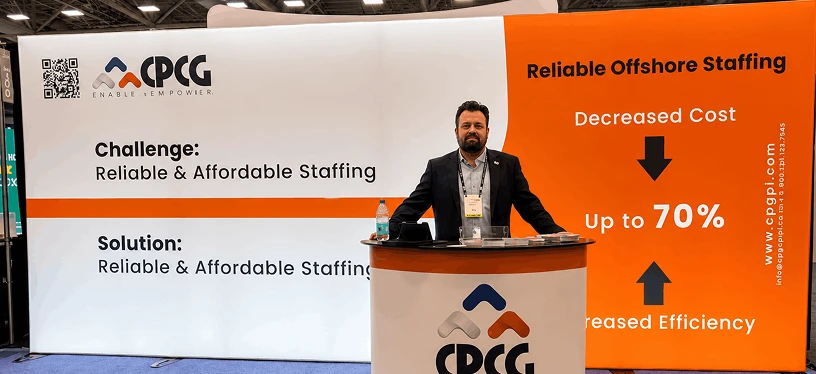
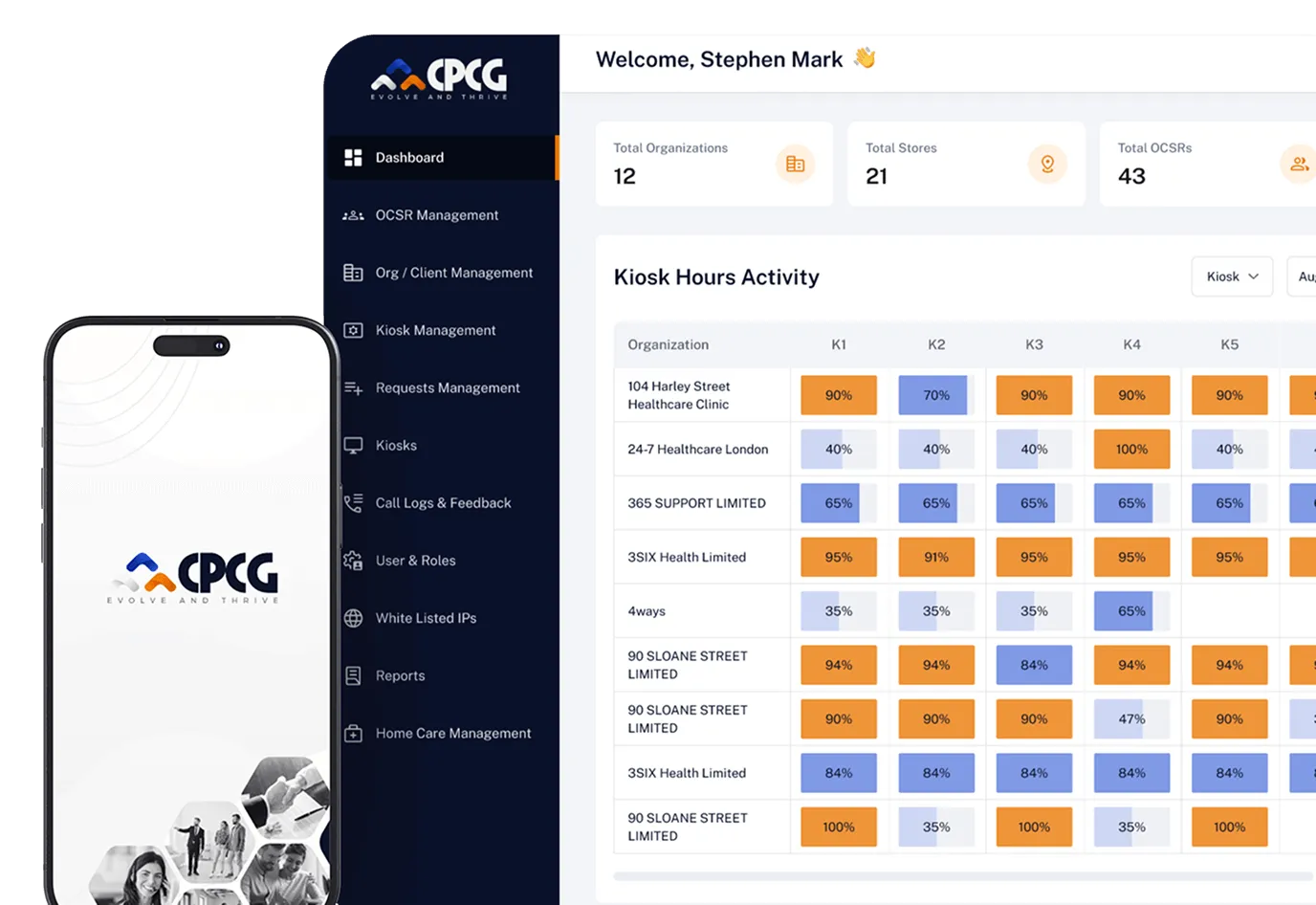
Unified project data across devices to help CPCG manage infrastructure ops more efficiently, with better visibility and fewer delays.

Built a secure digital lending platform that automated loan approvals and streamlined financial operations.

Built a unified education marketplace that connects schools and teachers in one seamless platform.
Built a unified digital freight platform that streamlined pricing, tracking, and load matching for logistics operations.
Unified project data across devices to help CPCG manage infrastructure ops more efficiently, with better visibility and fewer delays.

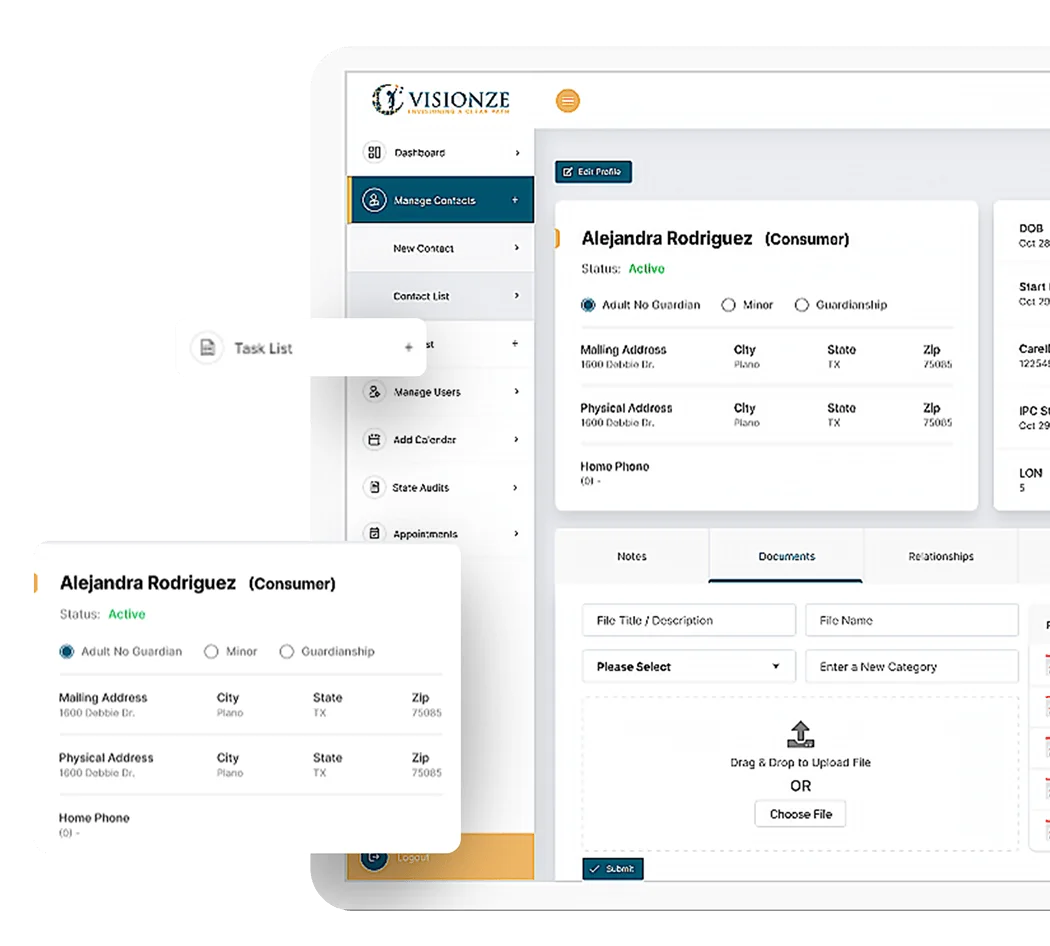
Streamlined EMR workflows across care and billing.
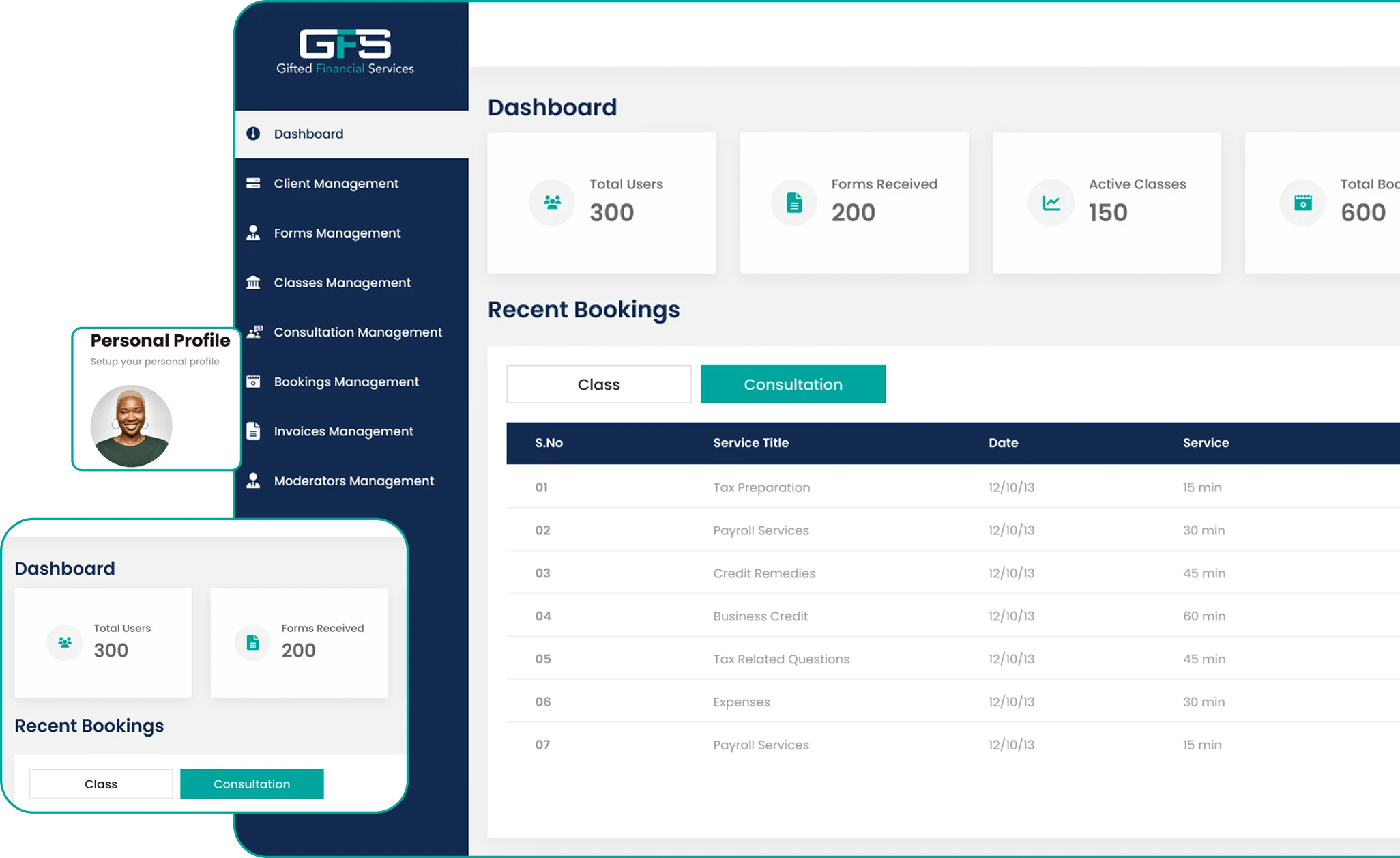
Built a secure digital lending platform that automated loan approvals and streamlined financial operations.
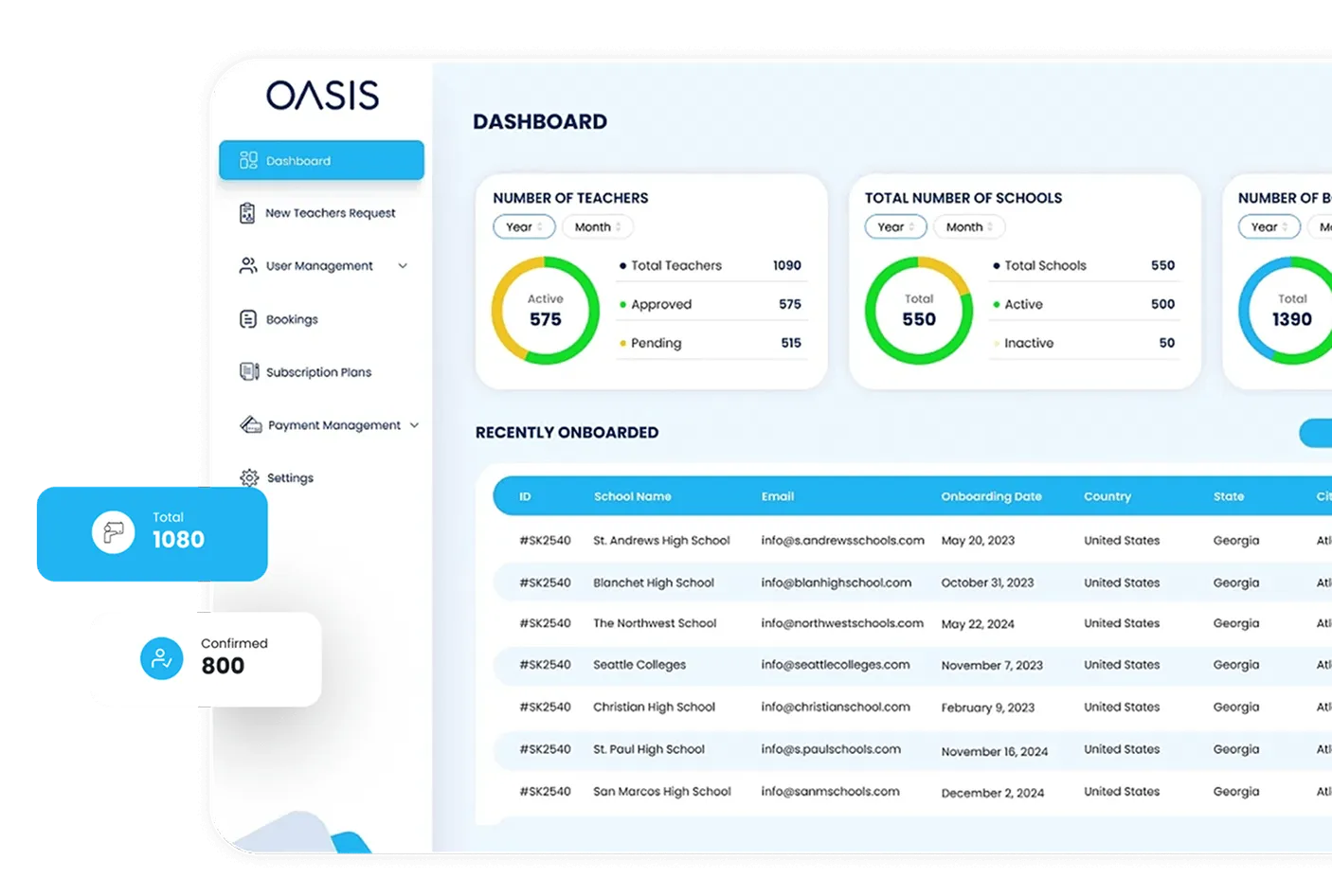
Built a unified education marketplace that connects schools and teachers in one seamless platform.
Fleet operators, brokers, and enterprise supply chain teams work with us because we build systems suited for their operations or niche

01
We ensure compliance with industry standards like GDPR and PCI-DSS, offering secure shipment tracking and data protection for seamless, risk-free logistics operations.

02
Our tailored solutions optimize fleet management, route planning, real-time tracking, and inventory control, ensuring smooth logistics operations across diverse industries.

03
We create logistics software customized to business needs, integrating essential features for improved efficiency, automation, and seamless supply chain performance.

04
Our agile development approach ensures rapid delivery of high-quality logistics solutions, keeping businesses competitive with efficient, scalable technology.

05
We develop logistics software that integrates seamlessly with ERPs, CRMs, and third-party platforms, ensuring smooth data flow and operational efficiency.

06
Our solutions are designed for long-term growth, offering scalability, AI-driven automation, and real-time analytics to future-proof logistics operations.
AppVerticals has shipped 2,000+ products across 10 industries. These are the clients behind the numbers.




Swift

Kotlin

Objective-C

Java

Xcode

Android Studio

React Native

Flutter

Xamarin

Ionic

Apache Cordova

PhoneGap

Node.js

Python

Java

Ruby on Rails

.NET Core

Express.js

PostgreSQL
MySQL

MongoDB

Firebase

SQLite

Amazon RDS

AWS

Google Cloud Platform

Microsoft Azure

Docker

Kubernetes

Firebase Hosting
Our process is built for operations teams that can’t stop moving freight while you swap systems. Integration scope, data migration, and compliance are settled in step one rather than discovered in step five.
We analyze your operation, your constraints, and where time is currently lost.
Most logistics software replaces something. We plan the handover before design starts.
We design architecture that holds up under peak volume rather than average.
We build in short cycles with integration work running alongside, not after.
We test at the volumes you’ll hit in peak season, not an average week.
We hand over a system your team can run without us.
Support runs past the warranty period and scales with your lanes.
Stay ahead in the logistics industry with cutting-edge, scalable, and AI-driven software solutions. As a leading logistics software development agency, we can help you optimize efficiency, reduce costs, and enhance supply chain visibility.
The cost of logistics software varies based on features, complexity, integrations, and scale. A basic app starts at $50,000–$100,000, while enterprise solutions with AI, IoT, and real-time tracking can exceed $500,000. Here's what influences the cost:

Simple apps like tracking systems are cheaper than complex platforms with AI-driven features, real-time data, and fleet management.

Software that integrates with ERPs, GPS, or third-party systems adds development time and cost.

Real-time tracking and predictive analytics require additional infrastructure and IoT integration, driving up costs.

Compliance with regulations and strong security features (encryption, authentication) increase development time and cost.

Solutions for larger-scale operations with higher data volume and user traffic incur higher costs for performance optimization.

Integrating with payment processors, fleet management tools, or CRMs requires more resources, increasing the cost.

Custom software offers flexibility but at a higher cost; off-the-shelf solutions are cheaper but less scalable.

Local teams are typically more expensive than offshore developers, affecting the overall cost.

Ongoing updates, security patches, and performance monitoring are necessary for long-term software stability.
Work with engineers who have shipped TMS, WMS, and fleet platforms into live operations. We scope, build, and support the system rather than handing over a repo and walking away.
Logistics software development costs between $70,000 and $500,000. A focused tool like a tracking or scheduling system starts around $70,000. A full TMS or WMS with EDI and ERP integration runs $150,000 to $300,000. Enterprise platforms with AI forecasting and IoT telematics exceed $500,000.
A focused tool takes 4 to 6 months. A full TMS or WMS with integrations takes 9 to 16 months. Timelines depend on how many systems it connects to, how many user roles it supports, and how much historical data needs migrating.
A TMS manages freight in motion: planning, carrier selection, tendering, tracking, and settlement. A WMS manages inventory at rest: receiving, putaway, picking, packing, and shipping. Most operations run both and connect them, so a shipment leaving the warehouse updates the TMS without anyone retyping it.
We audit your current records first, map the fields between old and new systems, and migrate in phases while the existing system stays live. Nothing goes offline during peak season, and we agree on what gets archived versus carried forward before migration starts.
We integrate with SAP, Oracle, Microsoft Dynamics, and other ERP systems, plus TMS platforms, telematics providers including Samsara and Motive, and EDI networks. We support EDI 204, 214, 210 and 990 for shipper and carrier data exchange.
FMCSA governs how US motor carriers record hours of service, vehicle inspections, and driver safety data. Software handling those needs certified ELD integration, tamper-evident logs, and an audit trail an inspector can pull during a roadside stop or compliance review.
We do both. Legacy modernization covers cloud migration, re-architecting monoliths into services, and adding AI or IoT to systems already in use. Where a full rebuild isn’t justified, we modernize the parts holding you back.
Transportation management systems, warehouse management systems, fleet management software, freight and shipping platforms, telematics systems, asset tracking, route optimization, and supply chain visibility platforms.
Support covers integration monitoring, security patches, performance tuning, and feature releases. We watch sync failures and EDI exchange health specifically, since those break quietly and surface as operational problems days later.
AppVerticals has developed 2000+ apps and digital products. Our experts are ready to help you build something amazing.
Submit your details, and our team will reach out to explore how we can bring your idea to life.




1000+ brands trust AppVerticals to create high-performing digital solutions.

Founder, Real Estate Agency
They delivered a top-tier solution that’s fast, user-friendly, and packed with features tailored to the real estate industry. The team was professional, detail-oriented, and easy to work with from start to finish.

CEO, Logistics SaaS Startup
The app came together exactly how we hoped. If you're looking for a team that knows what they’re doing and respects your time, they’re a solid choice.

Head of Marketing, Al Rostamani Group
Successfully delivered the project on time and within budget. They remained flexible and cooperative with backend content organization, and their support, company culture, and client-centric approach truly stood out.








Share a few details and get a clear timeline, cost estimate, and technical roadmap, tailored to your idea.

